
Charming Fiberglass Planters for Sale in Chandler
elegant Fiberglass Planters for sale in the Phoenix Metro Area
How Does Sonoran Stonecrete Manufacture Fiberglass Planters?
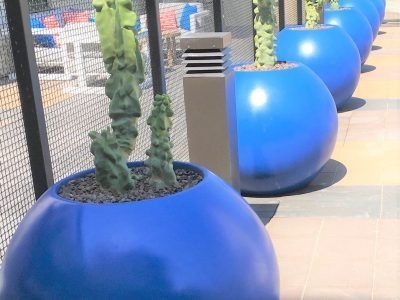
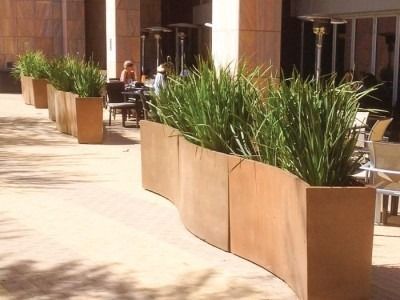
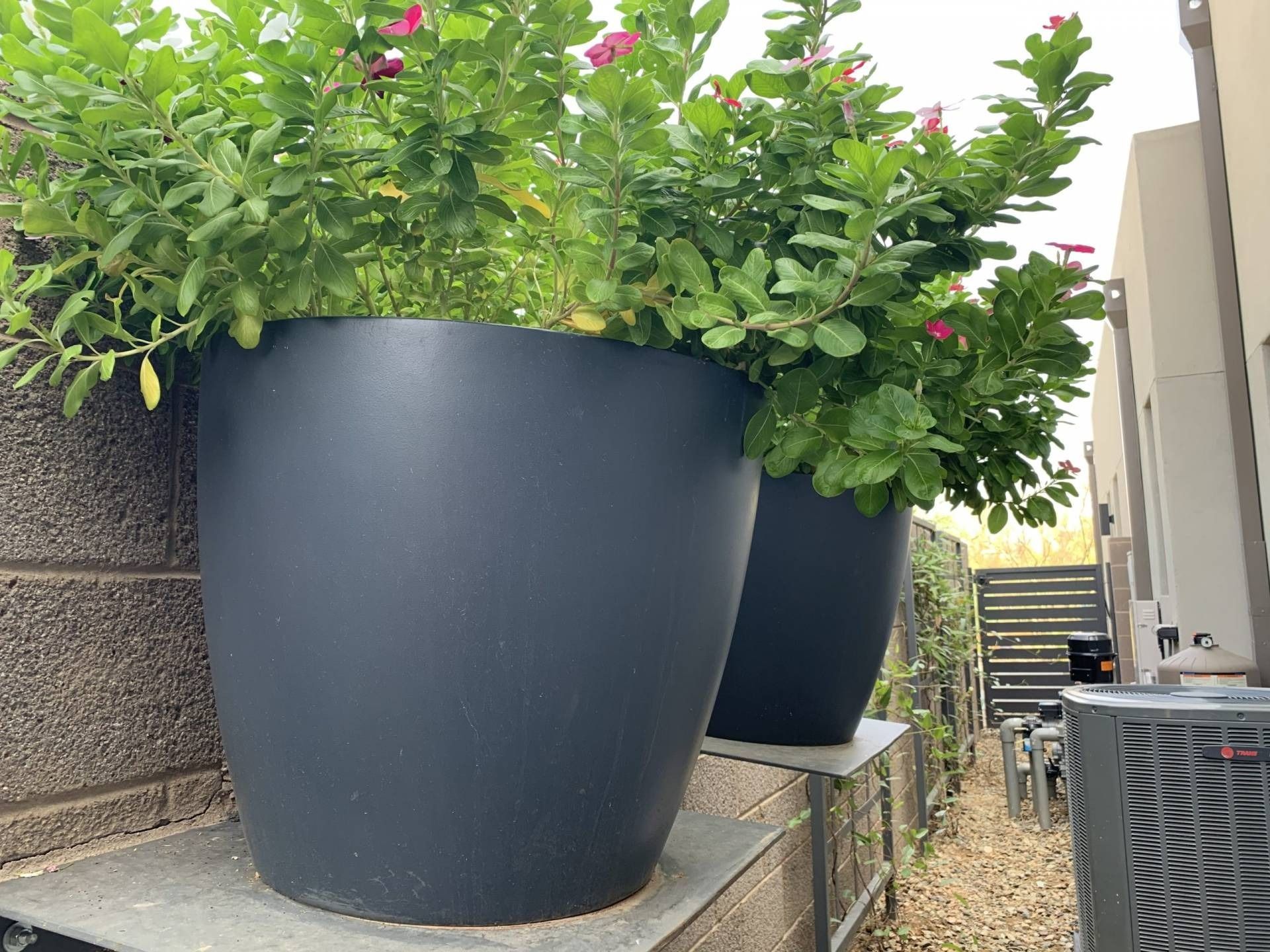
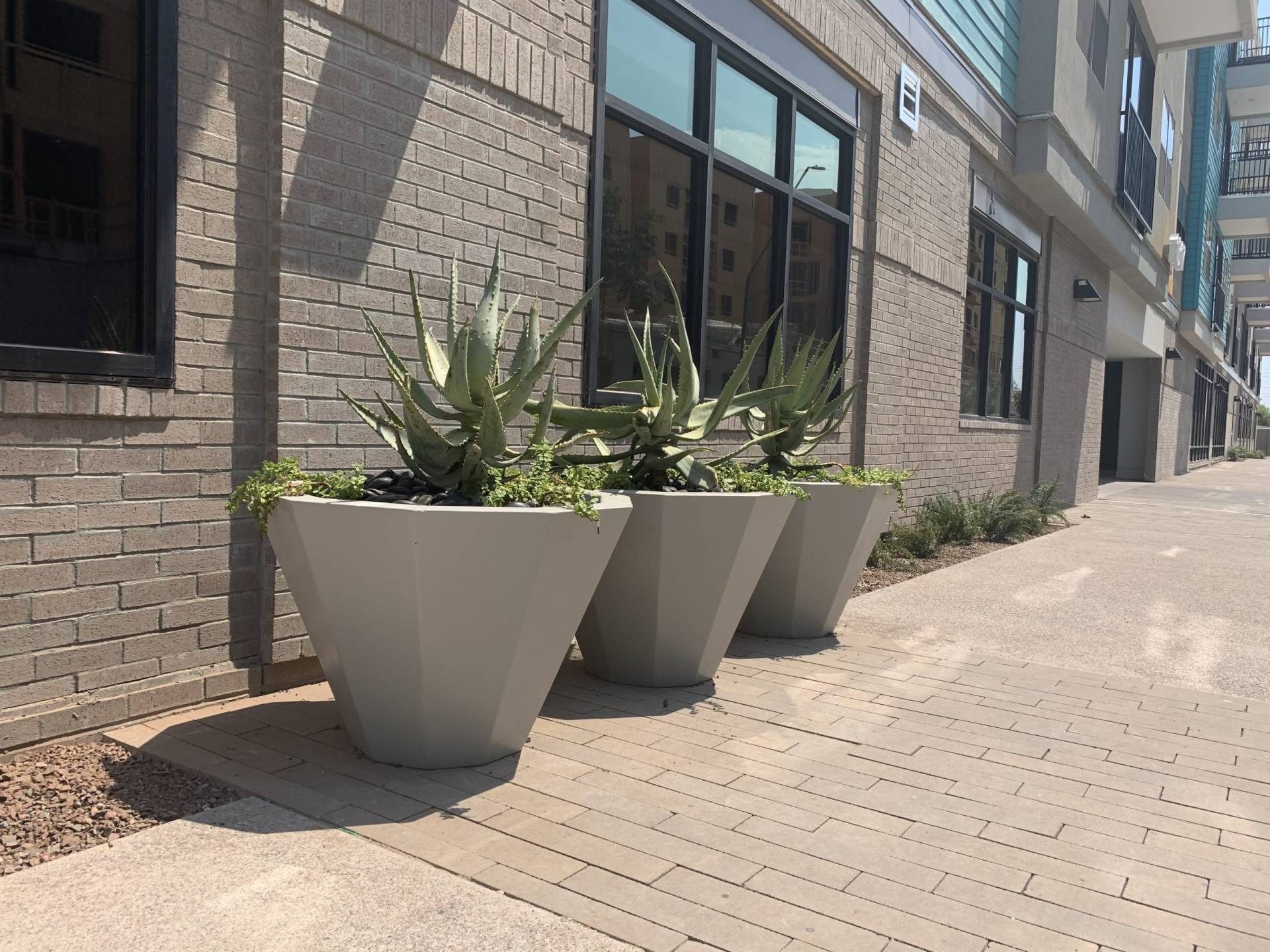
Sonoran Stonecrete manufactures fiberglass planters through a meticulous process that starts with high-quality resin and reinforcing fibers specifically designed to withstand southwestern climates. Each planter is crafted to highlight the natural sounds and colors of the region, utilizing custom molds and finishes that replicate stonecrete textures. Produced in Phoenix, the fabrication process involves layering fiberglass mats and resin for durability, then curing the planters under controlled conditions to ensure strength and longevity. The company's expertise allows customization for both residential and commercial projects, working closely with landscape architects and builders to meet specific design criteria. This technical approach guarantees that Sonoran Stonecrete’s fiberglass planters are lightweight yet robust, resistant to UV damage, and able to endure temperature fluctuations prevalent in the arid desert environments around Chandler and broader Arizona.
Crafting Excellence for Your Indoor & Outdoor Spaces
At Sonoran Stonecrete, we’re not just about planters; we're about bringing the vibrant essence of the Southwest into your environment. With our high-quality fiberglass designs, your space will come alive with the colors and sounds that are iconic to this unique region. We proudly collaborate with homeowners, designers, and builders to transform any setting into a stunning showcase. Operating from Phoenix, Arizona, we cater to both residential and commercial clients across the US, ensuring that our creative solutions meet diverse needs. Experience the artistry that can revitalize your surroundings – reach out to us today to begin your transformation.
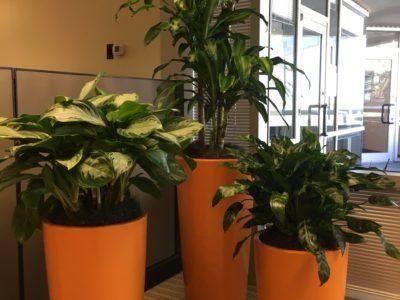
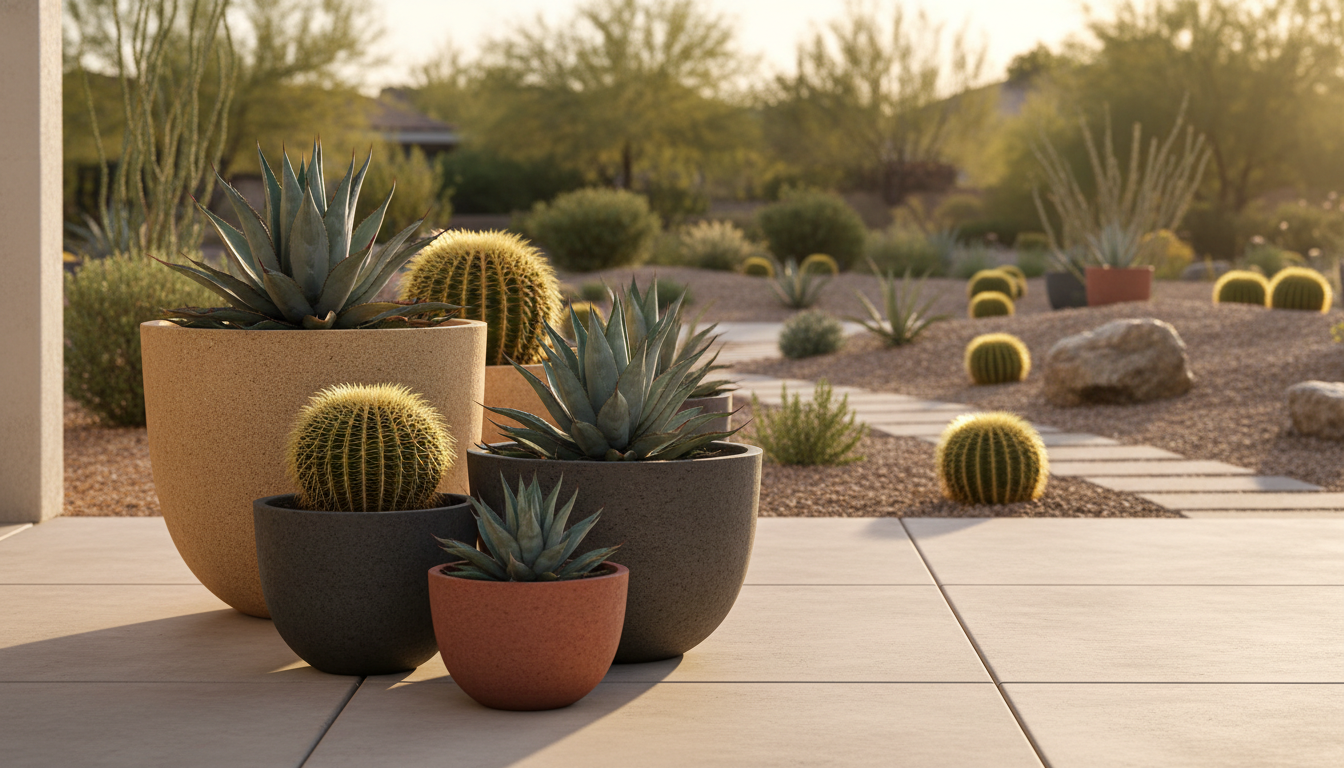
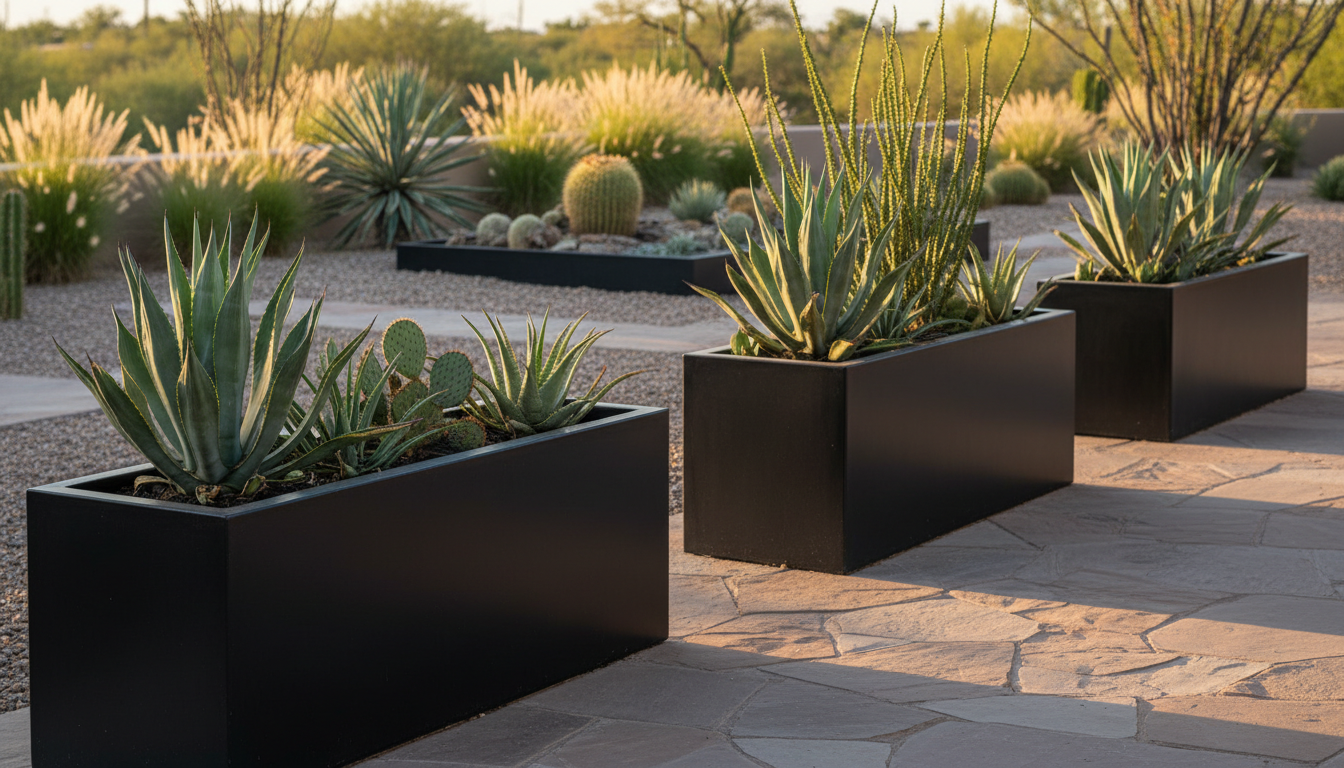
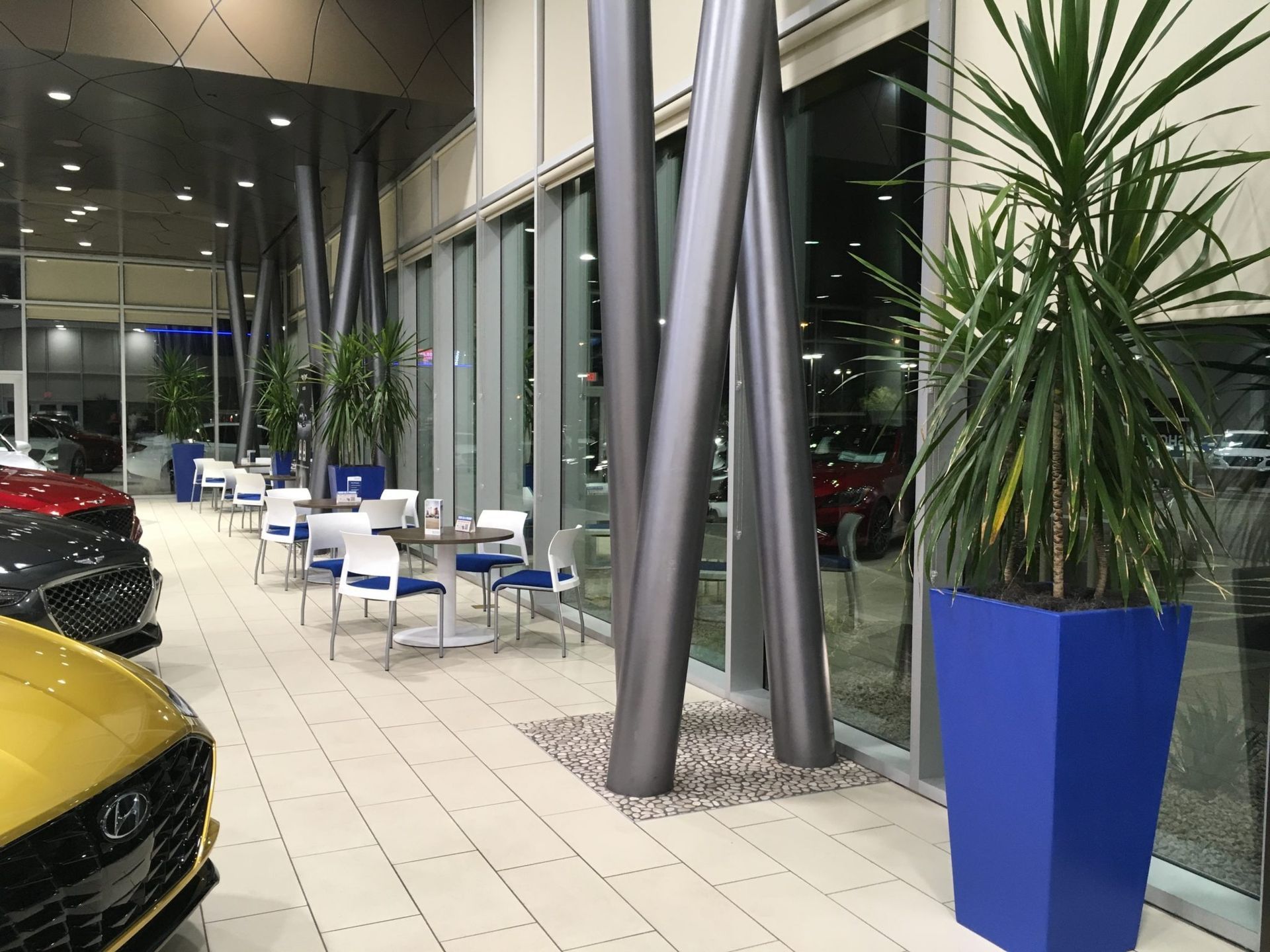

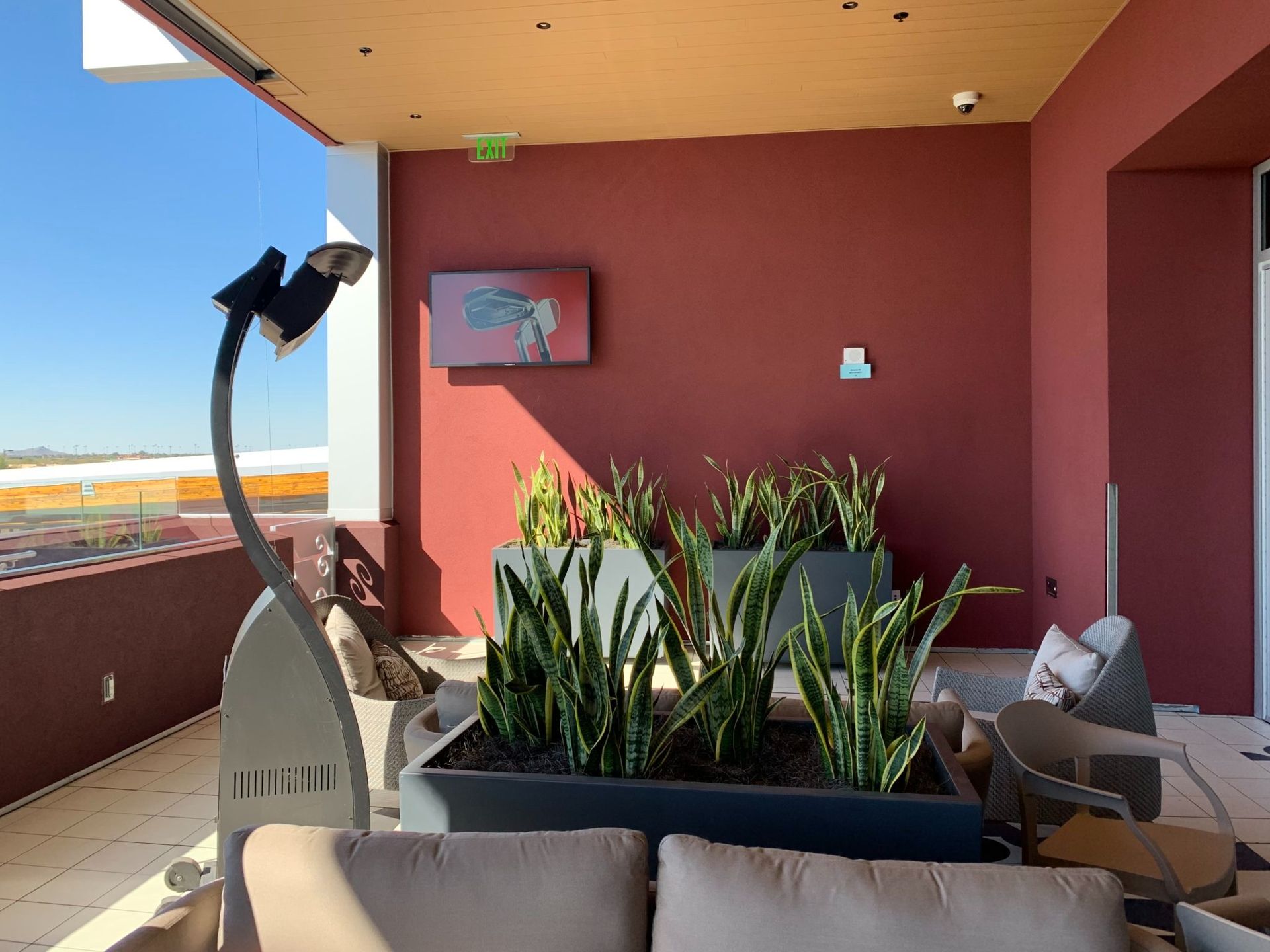
What Materials Are Used In Fiberglass Planters For Durability?
Fiberglass planters primarily use a combination of polyester or epoxy resin and glass fiber reinforcement mats or woven roving to ensure strength and durability. The resin acts as a binding matrix, while the fiberglass provides structural integrity. Additives such as UV inhibitors and fire retardants are often included to enhance weather resistance and safety. The composite nature of these materials allows the planter to be lightweight yet resistant to cracking, chipping, and corrosion, which makes them ideal for outdoor use in harsh environments like southwestern climates. Technical considerations in material selection also include thermal expansion properties and moisture resistance to prevent degradation over time, ensuring the planters maintain both form and function under prolonged exposure to sun and varying temperatures.
How Does Fiberglass Compare To Traditional Planter Materials?
Fiberglass offers several advantages over traditional planter materials such as clay, ceramic, or concrete. It is significantly lighter, which simplifies installation and transportation, particularly for large commercial projects. Fiberglass is also more impact-resistant and less prone to cracking under temperature extremes. Unlike porous materials, fiberglass planters do not absorb water, lowering the risk of freeze-thaw damage in cooler regions. Their composite construction allows for greater flexibility in design shapes and finishes, enabling customized aesthetics that mimic natural stone or other textures without the associated weight and fragility. Maintenance requirements are minimal compared to wood or metal alternatives, as fiberglass resists corrosion, rot, and pests. These characteristics make fiberglass planters a technically superior choice for long-term outdoor landscaping solutions.
What Design Services Complement Fiberglass Planters For Sale?
Design services that complement fiberglass planters include custom container shaping, texture and finish applications to match specific architectural or landscape themes, and color matching to southwestern natural tones. Sonoran Stonecrete and similar businesses offer detailed consultations to integrate planters seamlessly into site designs, collaborating with landscape architects to optimize planter size, weight, and drainage features. Additional services may include planting maintenance programs, irrigation system integration, and modular planter configurations to accommodate office environments or large commercial installations. These technical design offerings ensure that fiberglass planters not only serve functional roles in plant containment but also enhance visual appeal, promote plant health, and meet environmental or client-specific requirements.
Where Can I Find High Quality Fiberglass Planters for Sale in Chandler?
Which Regions Benefit Most From Fiberglass Planters Technically?
Regions with extreme climates, such as the arid southwest, coastal areas with salty air, or places with significant freeze-thaw cycles, benefit greatly from fiberglass planters. The material’s resistance to UV rays and corrosion makes it ideal for high sun exposure and humidity challenges. For businesses operating in states like Arizona, California, New Mexico, and Colorado, fiberglass planters provide durability where traditional materials might fail. Their lightweight nature allows for flexible landscape and architectural applications across various terrains and urban settings. Technically, fiberglass planters reduce long-term maintenance costs and installation difficulties, making them suitable for commercial properties, residential gardens, and public spaces requiring sustainable and aesthetically adaptable planting solutions.

Read 5-Star Reviews From Our Valued Customers
Frequently Asked Questions
Contact Sonoran Stonecrete Today
Please fill out the form, and a member of our team will reach back out to you shortly.